State 14 Colleges 3 Public 2 Community

Colleges in Rhode Island

Ranked, compared, and filtered by real data: costs, outcomes, and admissions

About Rhode Island

Rhode Island may be the smallest state in the country, but it holds an outsized place in American higher education. Brown University is one of the most distinctive Ivy League institutions for its open curriculum and student-driven academic culture, and RISD is consistently ranked among the best art and design schools in the world.

The University of Rhode Island's oceanography and pharmacy programs have built reputations well beyond the state's borders, and the density of colleges in the Providence area gives students access to cross-registration and collaboration that a larger geographic footprint would make impossible.

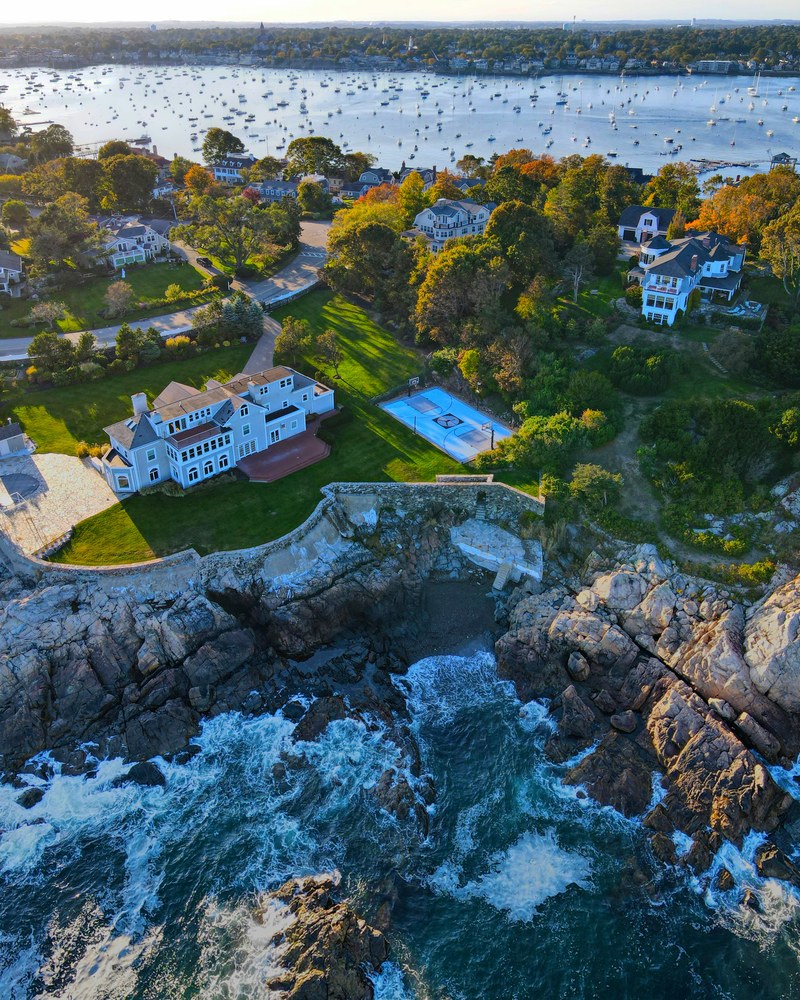
Rhode Island

By Ownership

Public 3
Nonprofit 11

By Type

4-Year 12
2-Year 2

Why Study in Rhode Island?

PROS
  • Rhode Island Promise Rhode Island Promise provides need-based aid for qualifying community college students in-state.
  • Flexible Ivy League option Brown University's open curriculum makes it one of the most flexible Ivy League institutions.
  • Top art & design school RISD is consistently ranked among the top art and design schools in the country.
  • Cross-institution collaboration Providence's density of colleges allows cross-registration and academic collaboration across institutions.
CONS
  • Very high total cost Rhode Island is one of the most expensive states for total cost of attendance, and Providence housing costs have risen significantly.
  • Small in-state job market The state's small economy limits local career options, and many graduates relocate to Boston or New York for relevant work.
  • More selective admissions Competition for Brown and RISD admission has become more selective over time for all applicants.

How Rhode Island Compares

See how Rhode Island's colleges compare to the national average on the four measures most students and families weigh when deciding where to go: cost, acceptance rates, graduate earnings, and graduation rates.

Avg Net Price / yr $29,088 ↑ $11,267 above national National avg: $17,821/yr
Avg Acceptance Rate 66.3% ↓ 6.2% below national National avg: 72.5%
Median Earnings (10yr) $65,514 ↑ $17,325 above national National avg: $48,189
Avg Graduation Rate 67.5% ↑ 21.7% above national National avg: 45.8%

Acceptance Rate Trend (2019–2023) Rising  ↑ 3.8 pts since 2019

Top Colleges in Rhode Island

The colleges in Rhode Island that rank highest by UCD Score, and those that deliver above-national graduate earnings at a below-average net price, two of the strongest signals when choosing a school.

Highest UCD Score


Best Value Colleges

Best Colleges by Goal

Not every student is looking for the same thing. These six panels rank Rhode Island's colleges by the data that matters most for each path.

Nursing & Health

Ranked by annual graduates

  1. 1 $69,743
  2. 2 $42,659
  3. 3 $56,318

Engineering

Ranked by annual graduates

  1. 1 $69,743
  2. 2 $93,487
  3. 3 $70,266

Business

Ranked by annual graduates

  1. 1 $90,008
  2. 2 $87,054
  3. 3 $69,743

Most Affordable

Ranked by net price

  1. 1 $6,513
  2. 2 $9,478
  3. 3 $20,252

Community Colleges

Ranked by enrollment

  1. 1 $6,513
  2. 2 $20,525

Highest Earnings

Ranked by grad earnings

  1. 1 $93,487
  2. 2 $90,008
  3. 3 $87,054

Career Outcomes & ROI

Which colleges give you the most for what you spend? These eight schools rank highest in Rhode Island by the ratio of 10-year graduate earnings to annual net price.

# College Net Price / yr Earnings (10yr) Ratio Rating
1 Community College of Rhode Island Warwick $6,513 $42,659 6.6× Excellent
2 Rhode Island College Providence $9,478 $56,318 5.9× Excellent
3 Brown University Providence $25,184 $93,487 3.7× Strong
4 University of Rhode Island Kingston $21,440 $69,743 3.3× Strong
5 Bryant University Smithfield $41,219 $90,008 2.2× Good
6 Johnson & Wales University-Online Providence $20,252 $43,418 2.1× Good
7 Salve Regina University Newport $36,967 $72,975 2.0× Average
8 Roger Williams University Bristol $37,999 $70,266 1.9× Average

ROI Ratio = median earnings 10 years after enrollment ÷ annual net price. Higher is better.

Popular Majors in Rhode Island

The six fields of study with the most annual graduates across all colleges in Rhode Island, based on IPEDS completion data.

BUSINESS +4.7% Avg Growth · BLS

Business

3,021 Colleges 22 Specializations
HEALTH +9.0% Avg Growth · BLS

Health

3,924 Colleges 26 Specializations
HUMANITIES +1.8% Avg Growth · BLS

Liberal Arts

2,214 Colleges 1 Specializations
STEM +10.0% Avg Growth · BLS

Computer Science

2,632 Colleges 11 Specializations
HEALTH +4.4% Avg Growth · BLS

Biology

1,895 Colleges 14 Specializations

Top Programs in Rhode Island

The specific degree programs producing the most graduates across Rhode Island's colleges. A more granular view than the Popular Majors above, useful when you already know roughly what you want to study and want to see where the volume is.

Program Colleges Grads/yr Earnings · 4yr
Business Administration 11.0 1,227.0 $68,257
Nursing 5.0 1,025.0 $88,910
Liberal Arts 8.0 1,012.0 $53,072
Psychology 8.0 677.0 $50,706
Finance 9.0 596.0 $83,343
Marketing 9.0 573.0 $69,303
Biology 8.0 536.0 $57,214
Computer Science 7.0 471.0 $107,009

Colleges by City in Rhode Island

The cities in Rhode Island with the most colleges, ranked by number of institutions.

Frequently Asked Questions

How many colleges are in Rhode Island?
Rhode Island has 14 accredited colleges and universities: 3 public, 11 private nonprofit. Of those, 2 are two-year community or technical colleges.
What does it actually cost to go to college in Rhode Island?
The average net price across Rhode Island colleges is $29,088 per year. That's what students pay after grants and scholarships, not the sticker tuition. That's $11,267 above the national average of $17,821, so expect higher out-of-pocket costs unless you land strong aid. This figure blends public and private schools together; public in-state tuition usually runs lower, while private college costs swing widely based on each school's aid policy.
How hard is it to get into college in Rhode Island?
The average acceptance rate across Rhode Island colleges is 66.3%. That's below the national average of 72.5%, reflecting more selective admissions across the state. That's a blended average. Open-enrollment community colleges accept all applicants, while flagship universities and selective private schools admit far fewer. Difficulty varies more by program than by state.
How much do Rhode Island college graduates earn?
Ten years after first enrolling, the typical graduate from a Rhode Island college earns $65,514 per year. That's $17,325 above the national median of $48,189, a strong outcome relative to most states. Earnings split sharply by field. Healthcare, engineering, and technology programs sit well above this median, while graduates in education, social work, and the arts often land below it.
Is going to college in Rhode Island worth it financially?
Looking at net price versus 10-year graduate earnings, Rhode Island colleges produce a moderate return, with graduates earning roughly2.3× the annual cost of attendance within a decade. Whether that works depends heavily on major and which specific school you choose. The Career Outcomes section above ranks individual schools; the spread between the best and worst-value colleges in Rhode Island is wide enough that school choice matters more than the state average.
What percentage of students graduate from Rhode Island colleges?
On average, 67.5% of students who enroll at Rhode Island colleges finish their degree within six years. That's 21.7 percentage points above the national average. Rhode Island students complete at a higher rate than most states. This varies considerably by institution. Selective four-year universities graduate a much higher share than open-enrollment schools, where part-time enrollment and work commitments affect completion timelines. Always look at a specific school's six-year rate, not the state average.
Where are the best nursing programs in Rhode Island?
Ranked by annual nursing and health program graduates, the top nursing schools in Rhode Island are University of Rhode Island, Community College of Rhode Island and Rhode Island College. These rankings use IPEDS completions data for CIP 51 (health professions), schools that produce the largest number of graduates per year. Availability varies by credential level; confirm whether a school offers BSN, ADN, or graduate nursing tracks before applying.
What is the cheapest college in Rhode Island?
Community College of Rhode Island is the most affordable college in Rhode Island by net price at $6,513 per year. Net price is what students pay after grants and scholarships. The actual cost for lower-income students can be significantly less. Community colleges and public schools dominate the low-cost end, though some private colleges with strong aid programs compete on net price despite higher sticker tuitions.
What are the most popular majors at colleges in Rhode Island?
The most-completed fields of study across Rhode Island colleges are Business, Health, Social Sciences and Liberal Arts, based on IPEDS degree completion records. High completion numbers reflect both student demand and how many schools offer the program. Larger public universities drive a lot of the volume. If you're choosing a major based on earnings potential, look at the career outcomes for each field rather than how many students study it.

Continue Exploring

Browse our full directory: every college, major, program, and career we track, all built from verified government data.